
What is an Articulation Disorder?
Incorrect speech sound productions.
Decreased speech clarity or communication.
Speech errors that are not “age-appropriate.”
WHAT CAN an Articulation DISORDER LOOK LIKE?
-
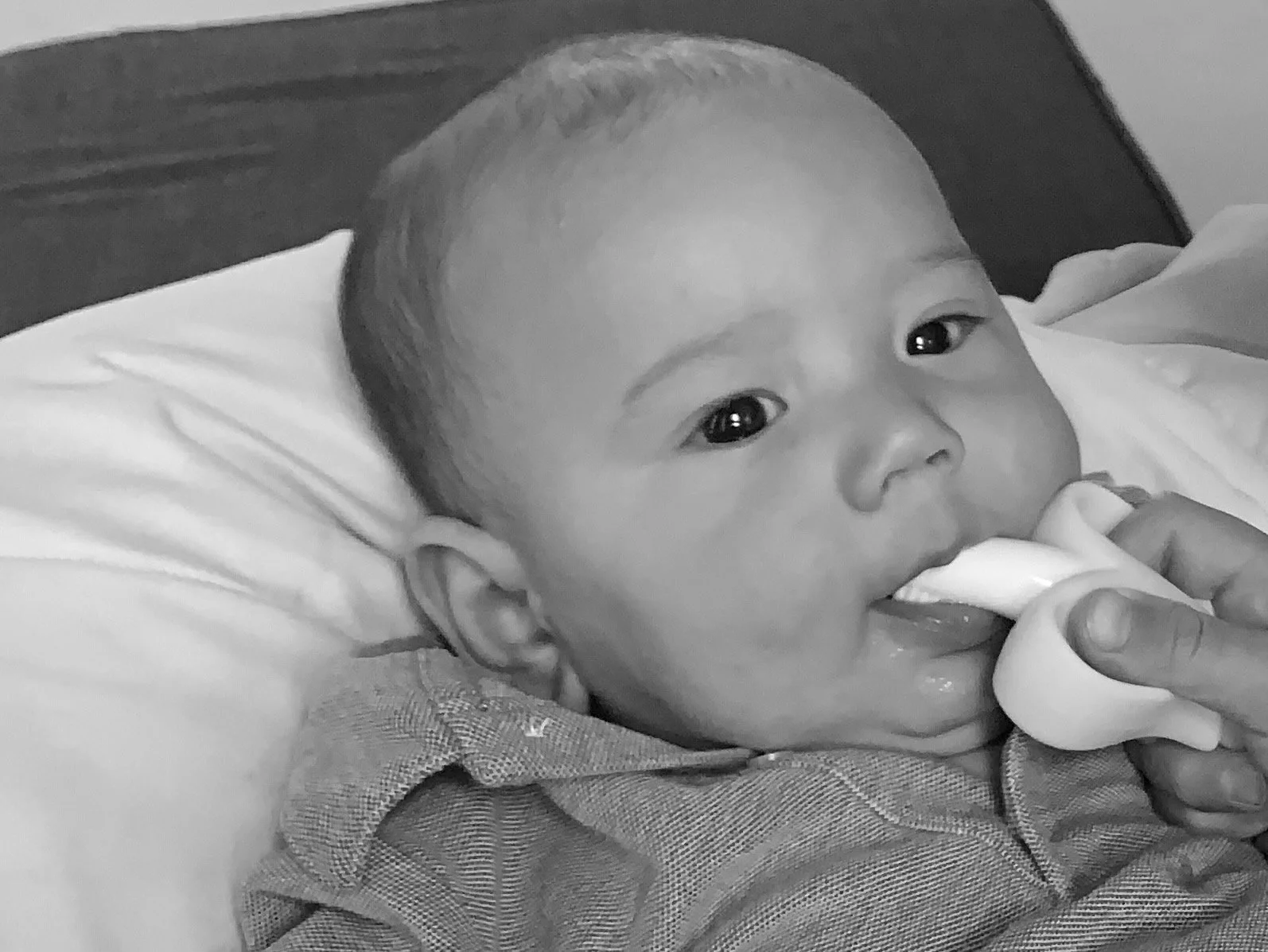
Infants
Limited or delayed babbling
Reduced consonant production variety
Weak/Inconsistent oral-motor movements
Difficulty producing early developing sounds: /b/, /p/, /m/, /t/, /d/, or /n/
Weak/Quiet vocal sounds
Tongue interfering with sound productions (forward position)
Nasal resonance
-

Children/ Adolescents
Persistent Sound Errors
-After 7 or 8 years old
Examples of Speech Sound Errors
/w/ for /r/- “wabbit” for “rabbit”
“th” for /s/- “thun” for “sun”
/d/ for “th”- “dis” for “this”
/f/ for “th”- “fumb” for “thumb
Deletion- “ca” for “cat”
Reduction- “pane” for “plane”
“Lisp” sounds
Difficulty being understood by unfamiliar listeners after age 4-5Self-consciousness/reluctance to speak
Increased effort or difficulties with longer sentences or complex words
-

Adults
Persistent or inconsistent speech sound errors
Speech sounds are “slurred” or “imprecise”
Reduced precision with connected speech/conversation
Difficulties being understood when speaking quickly or when tired
Strained or effortful speech
Frequent communication breakdownsSelf-consciousness/reluctance to speak
Increased effort or difficulties with longer sentences or complex words
Ready For ANSWERS?
See how SOMI can help you.
Get answers to your questions.
what Can Cause
Articulation disorders?
-
Ankyloglossia (Tongue Tie)
Labial Tie (Lip Tie)
Enlarged Tonsils/Adenoids
High/Narrow Palate
Small Oral Cavity
Jaw Abnormalities
Asymmetry
Micrognathia
Velopharyngeal Insufficiency (Inadequate closure between nasal and oral cavity)
Oral Tumors, Trauma, Surgery, etc.
Buccal Tie (Cheek Tie)
-
Malocclusion
Open Bite
Underbite
Crossbite
Crowding
Spacing
Missing/Misaligned Teeth
-
Congenital Hearing Loss
Present at birth
Acquired Hearing Loss
Chronic ear infections, noise exposure, age, etc.
Auditory Processing Issues
-
Prolonged Non-Nutrative Sucking
Inefficient oral compensatory strategies
“Learned” lisp or distortion
-
Late sound acquisition
Lack of exposure
Bilingual phoneme influences
-
Oral Habits
Thumb Sucking
Prolonged pacifier use
Tongue thrust
Craniofacial Differences
Cleft Palate
Cleft Lip
Bifid Uvula
Submucosal Cleft
Low or High Muscle Tone
Motor Planning Difficulties
Contact us
We’d love to hear from you!
Whether you have questions, need to schedule an appointment, or want to explore how we can work with your care team, we’re here to help.